
Naha 2045
The next Asian economic hub?

A completely off topic blog post. In the near future, I’ll be doing a big update and perspective on the spatial transcriptomics market and state of the nation. In the meantime, enjoy…
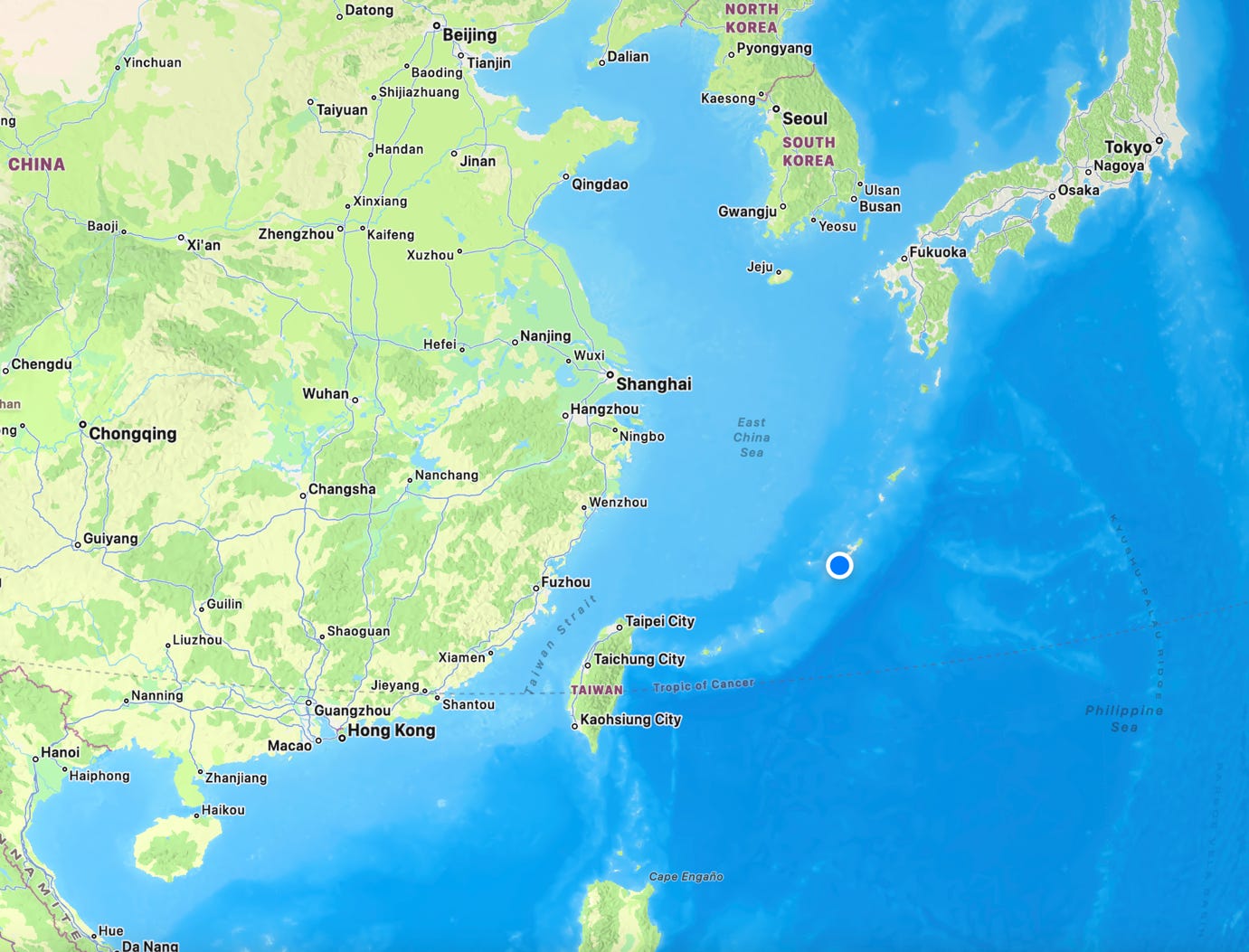
It’s Christmas and I’m in Okinawa, and to reflect this change of pace I felt like writing a little outside my usual TechBio swim lane. One thing that’s always left me perplexed after visiting Naha for a few years now (and where I am now): why does it have so little name recognition on the international stage?
Purely from a geography perspective, Naha is almost dead centre of a ~2 billion person East Asian market and boasts international flights to 5 major cities within ~3 hours: Hong Kong, Taipei, Shanghai, Seoul, and Tokyo. In 2020, Naha Airport opened a second runway, and offerings now include cities further afield (Singapore, Kuala Lumpur etc) with capacity jumping from 135,000 to 240,000 flights per year.
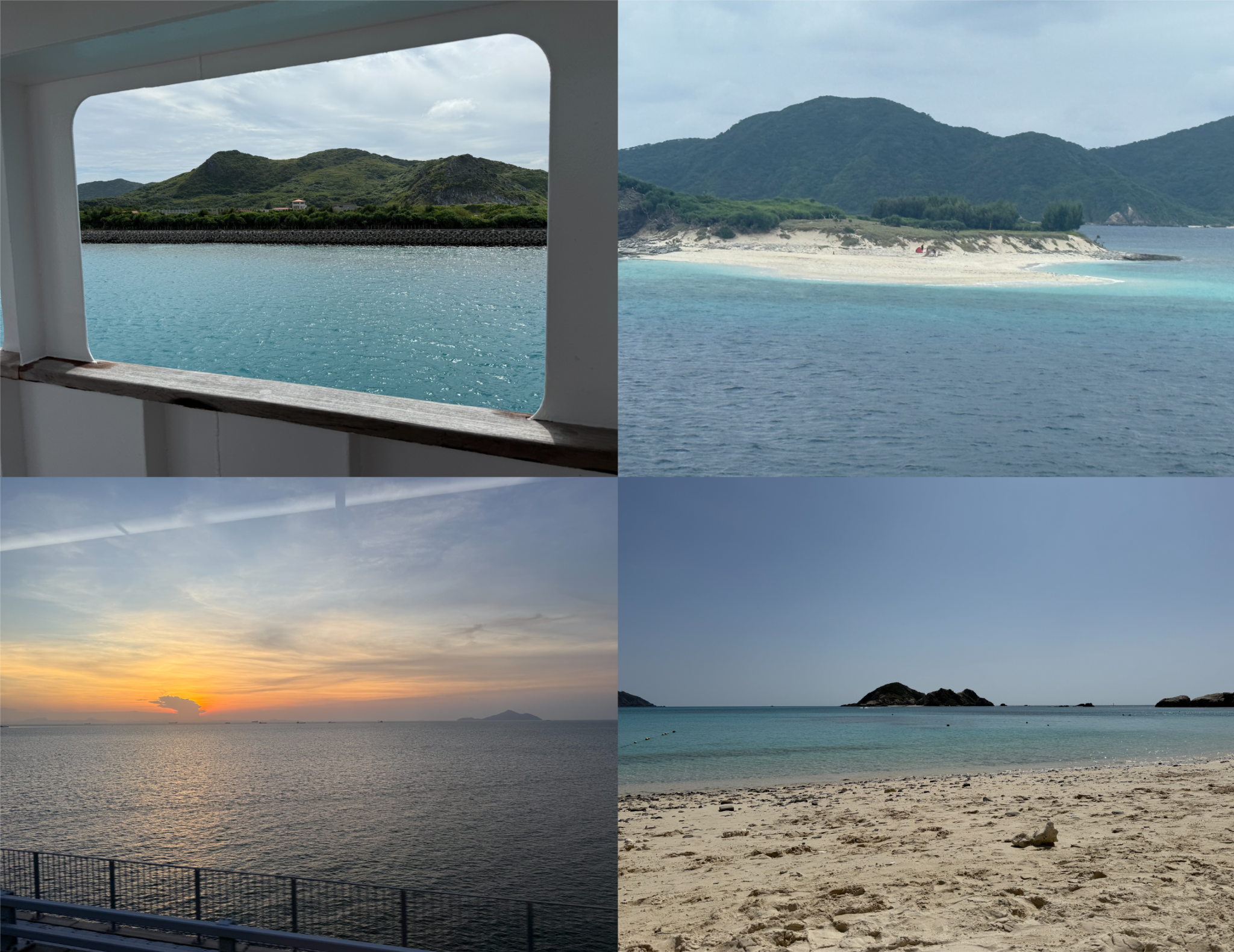
From a quality of life perspective, there are ~160 Okinawan islands in the prefecture and many of them have (admittedly infrequent) public transport via boat. Every trip I make here is an adventure to see a mini universe contained within a few square miles. Each island will have some rustic cottage industry, from fresh mangos to the most exquisite wagyu beef you’ll ever eat.
In short, amazing location and unique tourism, but I suppose this is ‘necessary but not sufficient’ to become an economic hub. However, I don’t think the barriers for Okinawa are in fact that great in the scheme of things. In fact, it’s now become my 20-year prediction that Naha will become an up and coming regional, or even international, city.
An (under appreciated) ingredient of major economies relates to how easy is it to invest. From a property perspective, when compared to the surrounding regions Japan is comparatively open on to foreign real estate ownership (with certain reporting obligations); whereas many nearby jurisdictions have blanket bans on foreign ownership. Naturally, with the recent change in the premiership, Japan plans to expand these reporting requirements for foreigners buying property, but not prohibitively so — only expanding who needs to report — with implementation expected around April 2026.
The other under-discussed point: Okinawa already has special-zone type levers. Under Okinawa’s promotion framework, there are bonded-area customs provisions and preferential measures, including a reported 40% deduction of corporate taxable income in some cases. Okinawa also promotes an “International Logistics Hub Industrial Cluster Zone” around Naha’s airport/port, where firms can bring goods into bonded facilities to store, sort, relabel/repack (maybe even light processing) without paying import duties up front, then re-export them to Asian markets.
Unfortunately, where Japan as a whole starts falling apart is in its ability to attract international talent. For entrepreneurs, the default pathway (Business/Management visa) has historically been paperwork-heavy and front-loaded with requirements that can be tumultuous for companies moving into the region, or neigh on impossible for those at the early stages of incorporation. Whilst minimum capital requirements have been updated for said businesses (from ¥5 JPY to ¥30 JPY), more onerous is that companies are required to employ at least one full-time worker in Japan at a physical address. Japan has tried to soften this with the Startup Visa (a “Designated Activities” status where local governments vet your plan and issue confirmation before immigration processes it), but that introduces extra layer of coordination — municipal approval first, then immigration with uneven guidance by region. From personal experience, dealing with the Japanese administration does feel like a disproportionately high amount of paperwork, further confounded by the language barrier.
If Okinawa wants international founders and investors, it needs to offer short cuts and exemptions from the mainland’s bureaucracy ideally with multilingual support to connect into the nearby cities. Just before my trip, China’s Hainan free economic zone announcement went live, which should remind policy makers that trade policy is not set in a vacuum and other economies are competing for business and talent.
So what do I think is missing specific to Naha?
First public transport. Okinawa’s monorail is great, but it’s one line and the bus service is limited. Around 80% of movement relies on cars and rarely can the roads handle the level of traffic.
Next, any economic hub needs to train and maintain talent. The Okinawa Institute for Science and Technology (OIST) is a case in point that interactional talent can be attracted to Japan (their first president was Nobel laureate Sydney Brenner), but these were set in place by founding documents that committed to English as the official language with more than 50% non-Japanese faculty and students. Unfortunately, OIST is limited to basic science, and economic hubs need internationally recognised medical and engineering education and research.
Finally, you can’t talk about Okinawa without the US military bases. Public data portals note that ~70% of land for U.S. military installations in Japan is concentrated to Okinawa, despite Okinawa representing 0.6% of Japan’s total land area. However, this can also be an economic catalyst --- redeveloping former military sites may be a route to acquire high value real estate to house new industries. If this is executed well, there is a once-in-a-generation opportunity to have huge swaths of land suddenly put to economic use.
Anyway, that’s a wrap. No idea if this will materialise in how I imagine, but I do think all of the ingredients are there…!